
What is Mt. Suswa Conservancy?
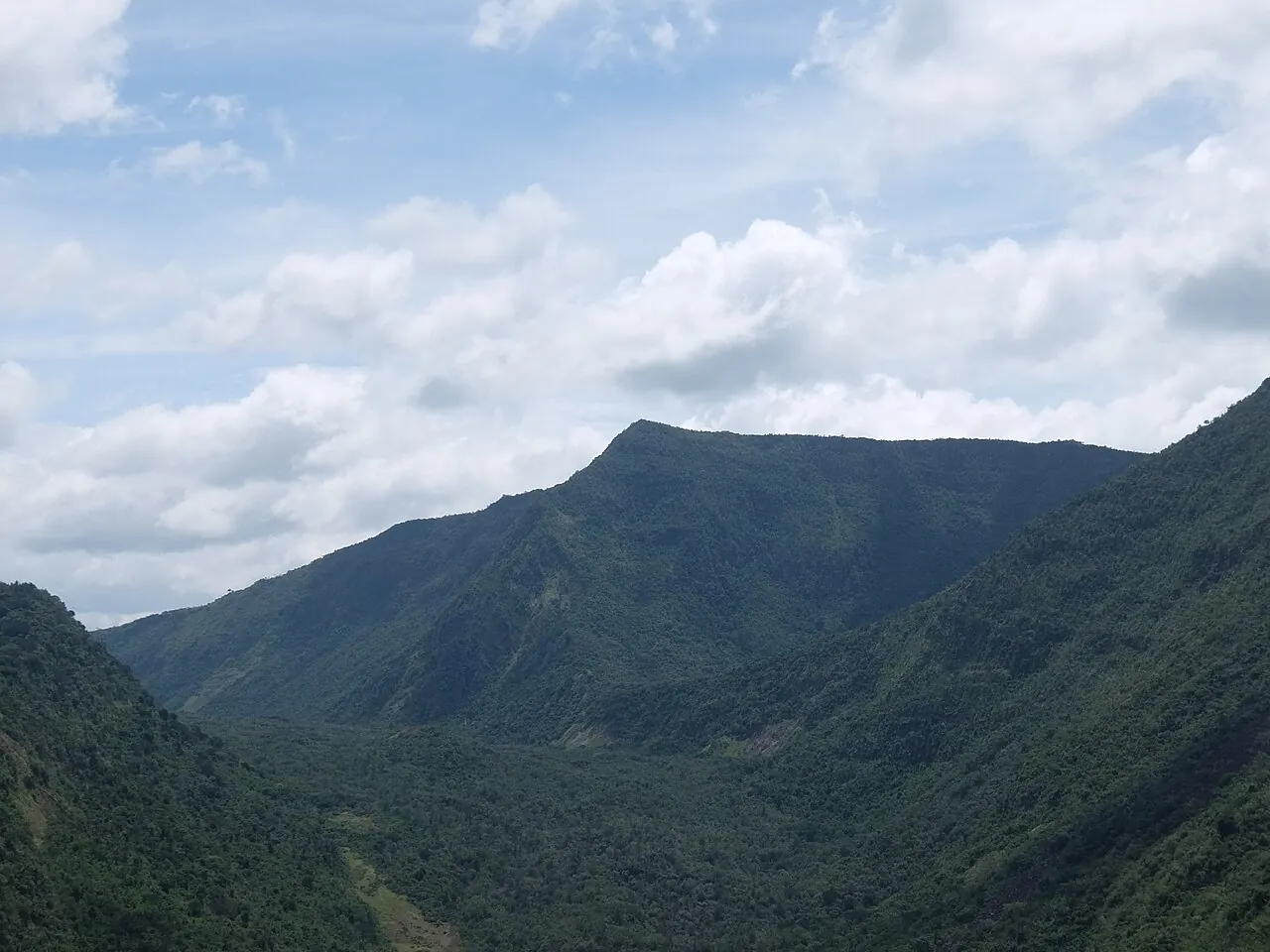
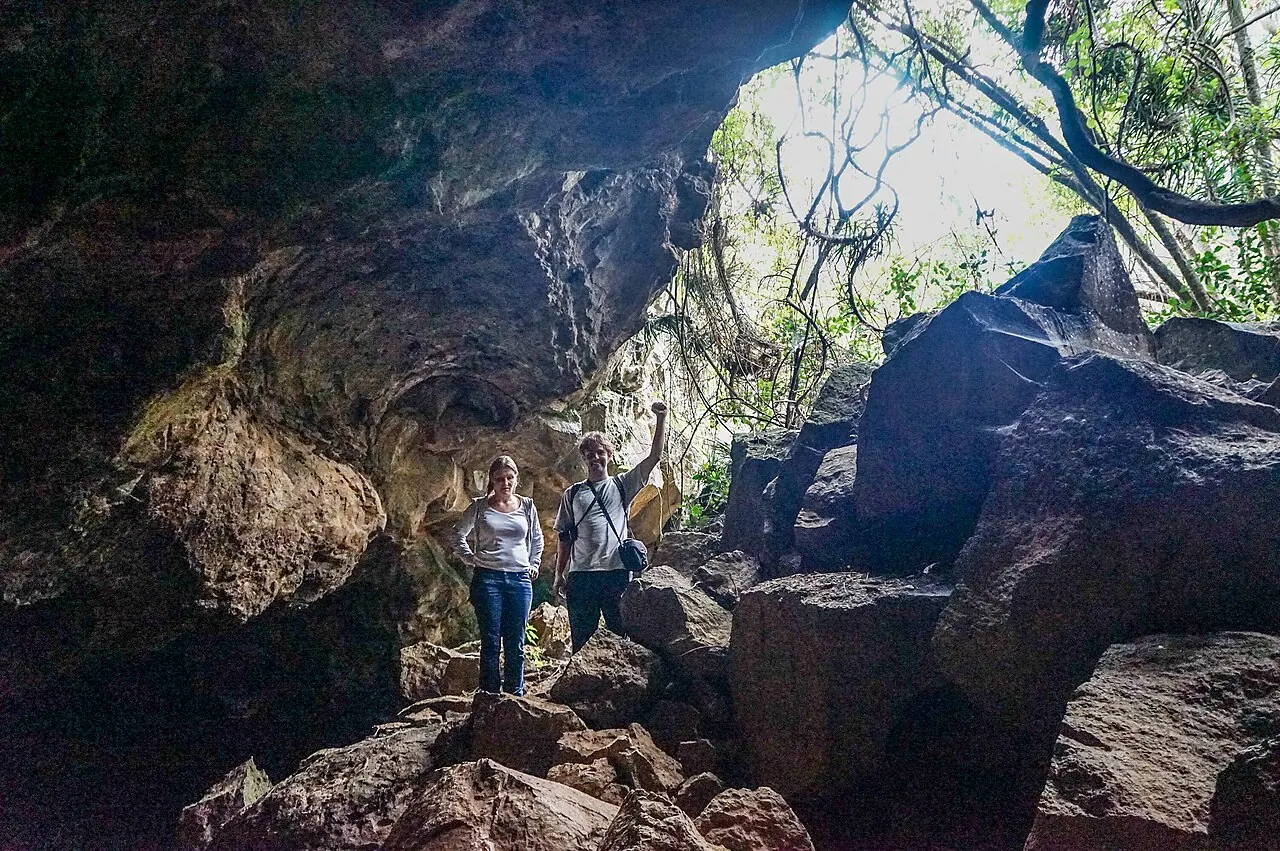
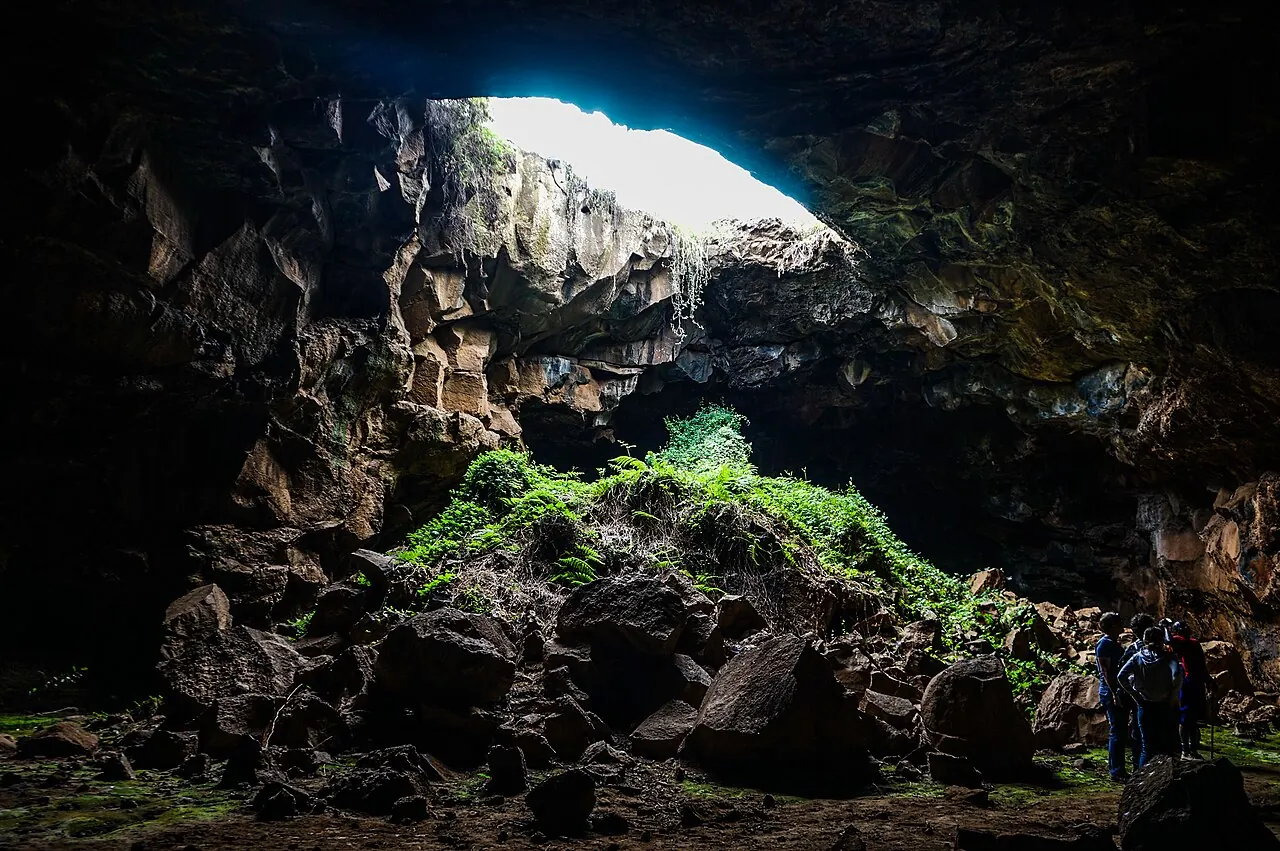
Mt. Suswa Conservancy protects the double-crater Mount Suswa volcano in the Rift Valley, on the border of Narok and Kajiado counties, far east of the Masai Mara. It started in 2008 as the Mount Suswa Conservation Trust; MMWCA lists 3,259 ha and 634 landowners, and visitors come for its lava-tube caves and crater walks.
- Developingstatus, 2025 map
- 2008started
- 33 km²published area
- 634landowners
- Listed on the MMWCA 2025 ecosystem map as entry 24, type 'Conservation Area', status 'Developing'.2
- Started in 2008 as Mount Suswa Conservation Trust, with a board of trustees drawn from eight cluster villages on and around the mountain (MMWCA).1
- Listed by KWCA as 'Mount Suswa Conservancy', region Mara, Narok County, regional association MMWCA (read 20 Nov 2026).3
- Narok County's Physical and Land Use Development Plan names Mt. Suswa Conservancy among the county's main conservancies.4
Also written: Mount Suswa Conservancy, Mount Suswa Conservation Trust, Suswa Conservancy, Suswa Conservancy Trust.


Where is Mt. Suswa?
Mount Suswa, a double-crater volcano in Kenya's Rift Valley, straddling Narok County (south-west) and Kajiado County (east), far east of the Masai Mara reserve. The conservancy headquarters sits in the outer caldera, about 1 km west of the caves and 5 km east of the inner caldera.179
- Rufford reports more than 10,000 visitors a year come for hiking, camping, wildlife viewing and cave exploration (2022).7
Who owns and runs Mt. Suswa?
- 634 landowners (MMWCA member page headline, read Nov 2026)1
- Board of trustees drawn from eight cluster villages within and outside the mountain's slopes.1
- Managed through an elected board that regulates access and keeps economic benefits in the community; land is collectively owned, with individual and communal rights under Maasai customary tenure (CHRD 2026).6
- A Narok-Kajiado dispute over land ownership complicated conservancy management; by May 2025 a Rufford grantee reported it resolved, with the caves to be managed by a team from Kajiado County.10
Can livestock graze in Mt. Suswa?
- Communities are largely pastoralists and small-scale crop farmers.13
Grazing rules are made by each conservancy with its landowners. Our page on grazing and conservancy rules sets out how rules can protect wildlife without harming the Maasai pastoral way of life.
What wildlife lives in Mt. Suswa, and what is its corridor role?
Wildlife in Mt. Suswa
- Cave roosts hold the globally Vulnerable Harrison's giant mastiff bat (Otomops harrisoni); crucial maternity colonies are endangered by tourism and human disturbance.7
- The caves are home to bats, birds and hyraxes; baboons sleep in some cave entrances.9
- The lower slopes carry montane forest habitat.7
Research in Mt. Suswa
What can visitors do in Mt. Suswa, and what does it cost?
- Camping is permitted; community-owned campsites were being built as a conservancy initiative (ESIA).9
- Access runs through the community; published accounts describe barricades on the tracks where conservancy members collect a charge, and a local guide is the practical access and safety arrangement underground (Africa Tour Operators, 2026).11
- crater rim and inner crater hikes
- lava tube cave exploration
- Baboon Parliament cave
- steam vents
- camping
- Maasai homestays and cultural activities
- bat watching
- Wild Springs Adventures (operator, Aug 2026) quotes conservancy rates of KES 500 (Kenyan citizen adult), USD 30 (non-resident adult), KES 1,000 per adult per night camping, paid in cash at the gate.12
- Africa Tour Operators (Oct 2026) found no published current tariff and says the fee is set locally and agreed on arrival; Mount Suswa is not a KWS site, so no KWS fee applies.11
How conservancy fees compare with Reserve entry: Mara conservancy fees and visitor rules.
How does Mt. Suswa support its community?
- Guided hikes, cave exploration and homestays support livelihoods, fund education bursaries and build local skills (CHRD 2026).6
- Local people use the caves for camping, prayer and fasting, giving them religious as well as tourism value.9
- In late 2025 Sotua Ang' Community Based Organisation helped the community petition Safaricom for a cell mast on the mountain.6
- Bat guardians trained under a Rufford project now protect caves and guide tourists.10
What challenges does Mt. Suswa face?
- Threats include charcoal burning, vegetation clearance for farming, logging and uncontrolled cave visits.108
- The Geothermal Development Company plans to drill geothermal wells within the conservancy, with power lines and roads; CHRD reports plans to redirect steam flows that the community uses for water, without meaningful engagement.136
- CHRD notes challenges remain over including women and youth in decision-making.6
- The ESIA said KWS, the conservancy and GDC may establish a memorandum of understanding on geothermal operations within the conservancy.9
We report what sources say, from every side. Claims made by one party are reported as claims, not as findings; only a court decides who is right, and interim court orders are not final decisions. If you are named here and want your response added, or think something is wrong, write to hello@maraconservation.org and we will review it within 14 days. If you live with one of these issues, a baraza is where it can be raised and recorded.
History of Mt. Suswa
Where do sources disagree about Mt. Suswa?
Published figures do not always match. We show each one with its source instead of picking one.
| Topic | What the sources say | Sources |
|---|---|---|
| founded | 2008, as Mount Suswa Conservation Trust (MMWCA) since 2005 (Suswa tourism site) since 1996, Suswa Conservancy Trust (CHRD 2026) | 156 |
| area | 3,259 ha (MMWCA) over 5,000 ha (Rufford 2022-23) about the size of the Suswa volcano (ESIA) | 179 |
| entry fee | KES 500 citizen / USD 30 non-resident (Wild Springs, Aug 2026) no published tariff; agreed locally (Africa Tour Operators, Oct 2026) | 1211 |
| county | Narok County (KWCA, Narok spatial plan) trans-county Narok and Kajiado (MMWCA); caves to be managed by a Kajiado team (Rufford 2025) | 34110 |
Questions about Mt. Suswa
Who owns Mount Suswa?
How much is the Mount Suswa entry fee?
Is Mount Suswa a KWS national park?
Can you camp at Mount Suswa?
Yes. The ESIA says camping is permitted and that community-owned campsites were being built, one beside the edge of the inner caldera.9
Is Mount Suswa in the Masai Mara?
Sources for this profile
- MMWCA member page: Mount Suswa Conservancy · MMWCA
- Masai Mara Ecosystem 2025 map (Ecosystem-Map-2026.pdf) · MMWCA / WRTI · 2025
- KWCA member conservancies (WP REST wp/v2/conservancy) · KWCA
- Narok County Physical and Land Use Development Plan 2023-2032 · County Government of Narok · 2023
- Mount Suswa (Suswa tourism site) · not stated
- From community-led land stewardship to Indigenous water systems: stories of community-led development in Kenya's geothermal sites · Coalition for Human Rights in Development (CHRD) · 2026-06-15
- Rufford project update, May 2022 (Harrison's giant mastiff bat, Mt Suswa) · The Rufford Foundation · 2022-05
- Rufford progress report 39318-B · The Rufford Foundation · 2023
- Environmental and Social Impact Assessment, Suswa Geothermal Development Project · Geothermal Development Company (via SourceAfrica)
- Final Evaluation Report: Conservation of Threatened Harrison's Giant Mastiff Bat at Mt Suswa Conservancy (D. Wechuli) · The Rufford Foundation · 2025-05-05
- Suswa Caves · Africa Tour Operators · 2026-10-14
- Mount Suswa Hike and Crater Excursion Trek: The Complete Guide · Wild Springs Adventures (operator) · 2026-08-10
- Bat Activity and Species Richness Along a Gradient of Human Disturbance at Mount Suswa Conservancy (A. M. Mutiso) · The Rufford Foundation · 2025-02-02
What we could not confirm (6)
- 'Mt Suswa Conservancy Ltd' (named in the brief) was not found in any source read; the legal forms found are trust names only.
- No official conservancy website confirmed; suswatourism.wixsite.com does not name its publisher. mtsuswa.org is an owner-affiliated site in this workspace and was not used as a source.
- Ward and sub-county not stated.
- Official fee schedule not found.
- Distance and drive time from Nairobi not found in a permitted source (operator figures only).
- No information on lease payments to the 634 landowners.
Researched 22 November 2026. Corrections from Mt. Suswa landowners, managers and residents are welcome: contact us.
Bring it to a baraza
Landowners, leaseholders, residents, camps and conservancy managers: a baraza is where questions about leases, grazing, corridors and wildlife get answered in the open, in Maa, Kiswahili or English. Ask us to help organise one in your village.