
Why does the Mara need a stakeholder charter?
Because conservancies bring together people with different interests on the same land. Landowners want fair income and freedom to use their land; residents want to herd, farm and move safely; investors want security for what they build; wildlife needs space. Writing down everyone’s rights and duties makes the bargain clear.
Most disputes in the Mara start with misunderstandings: a lease clause nobody explained, a grazing rule announced without discussion, a fence put up without asking the neighbours, a payment that arrived late. This charter is our proposal for what fairness looks like. It is not law. It draws on Kenyan law where the law is clear, links to the details, and is open to change through barazas.
What are landowners’ rights in a Mara conservancy?
Landowners keep ownership of their land. They have the right to understand and negotiate any lease before signing, to be paid on time as the lease says, to a say in conservancy rules, and to clear information on renewal, exit and succession.
Rights
- A lease in a language they understand, with time to take advice
- Payments on the dates and at the rates agreed, with statements
- A vote or representative on the conservancy’s landowner body
- Notice and consultation before rules change
- Clear terms for renewal, transfer and inheritance
Duties
- Keep to the land-use terms they signed, such as no new fences or buildings in wildlife areas
- Tell the conservancy about sales, subdivision or succession
- Raise disputes through agreed channels before acting alone
Details, questions to ask and red flags are on landowner and leaseholder rights.
What rights do leaseholders and tenants have?
People who lease land, or rent and farm it, have the right to the terms of their own agreement, to fair notice, and to be told when a conservancy lease affects the land they use.
- A conservancy lease over land must not quietly override an earlier agreement with a tenant or user; the overlap should be sorted out openly.
- Leaseholders who hold land for camps or lodges are bound by the conservancy’s rules and the landowners’ terms, and are owed the same in return.
- Family members who use land without a title, often women and younger sons, should be included when a household decides on a lease.
What rights and duties do tourism investors have?
Camps and lodges invest heavily and need secure, predictable agreements. In return they owe landowners prompt payment, respect for local rules and people, fair jobs and honest information.
Rights
- Agreements that are honoured for their full term
- Rules that are written, published and applied equally
- Protection from sudden, unilateral changes
Duties
- Pay lease and bed fees on time and transparently
- Hire and train locally where possible
- Keep to bed limits, vehicle rules and waste rules
- Take part in barazas when the community asks
How camps pay for land: how Mara conservancies work.
What rights do residents who do not own land have?
General residents, including herders, women, young people and families without title, have the right to live, herd and move safely, to reach water, schools, health care and markets, to be consulted on rules that affect them, and to a fair hearing when wildlife harms them.
Conservancy rules should not stop people from using paths, crossings and water points they depend on, or from holding cultural ceremonies. Where rules restrict grazing or settlement, the reasons should be explained and alternatives offered. Read grazing and conservancy rules and Maasai pastoralism and conservation.
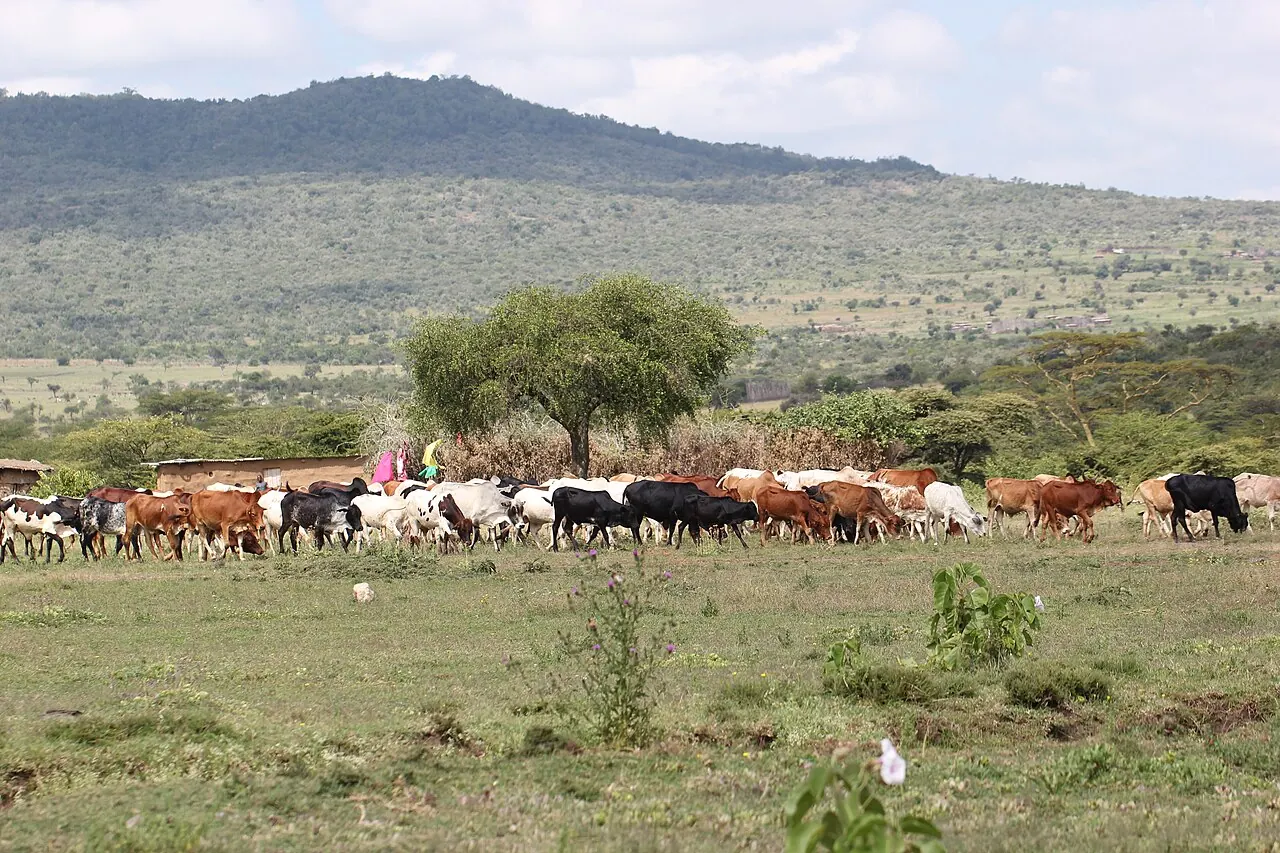
Photo: Kandukuru Nagarjun / Wikimedia Commons, CC BY 2.0

What do conservancy workers and rangers deserve?
Fair contracts, safe conditions, training and respect, and in return professional conduct towards residents and visitors.
- Rangers enforce rules; they should do it lawfully, without abuse, and with a way for residents to complain.
- Guides, camp staff and rangers drawn from local families are a large part of what conservation gives back; jobs should be advertised openly.
What should visitors know and respect?
Visitors pay fees that fund the leases, so they keep the Mara open. They should follow conservancy rules on vehicles and distances, ask before photographing people, and respect homes, livestock and ceremonies.
How fees and rules differ between conservancies and the Reserve: Mara conservancy fees and visitor rules.
What happens when stakeholders’ rights clash?
Talk first, close to home; then widen the circle. Most disputes can be settled at the village or conservancy level, and the law offers routes when they cannot.
- Talk directlyRaise it with the person, camp or conservancy office involved, in writing if possible.
- Conservancy channelsTake it to the landowner committee or board, which most conservancies have.
- A barazaAsk for an open baraza so the issue and the answers are heard by everyone. Request one.
- Local administrationChiefs, ward administrators and Narok County offices can mediate.
- The lawLand and lease disputes can go to mediation or to court; take legal advice. Background: conservancy law in Kenya.
Questions about the charter
Is the stakeholder charter legally binding?
No. It is a set of principles proposed by MaraConservation.org. Leases, conservancy constitutions and Kenyan law are what bind people; the charter helps people know what to ask for.
Can the charter be changed?
Yes. It is meant to improve as barazas raise issues it does not cover. Send suggestions through get involved.
Who counts as a stakeholder in the Mara?
Anyone whose life, land or livelihood is affected by how the Greater Mara is managed: landowners, leaseholders, residents, herders, investors, workers, visitors and, through them, the wildlife.
Bring it to a baraza
Landowners, leaseholders, residents, camps and conservancy managers: a baraza is where questions about leases, grazing, corridors and wildlife get answered in the open, in Maa, Kiswahili or English. Ask us to help organise one in your village.