
How have the Maasai and wildlife shared the Mara?
Through mobile herding on open, shared land. Herds moved with the rains, grass was left to rest, and wildlife grazed the same plains. The Maasai seldom hunted for food, so the Mara’s wildlife survived on land that was never fenced.
Planned grazing, grazing an area and then resting it, is a centuries-old pastoral strategy that conservation projects are now paying for1. Maasai near the Reserve still have strong preferences for livestock, even more so among conservancy members2. In 2010 livestock made up 48% of conservancy members’ income and 70% of non-members’3.
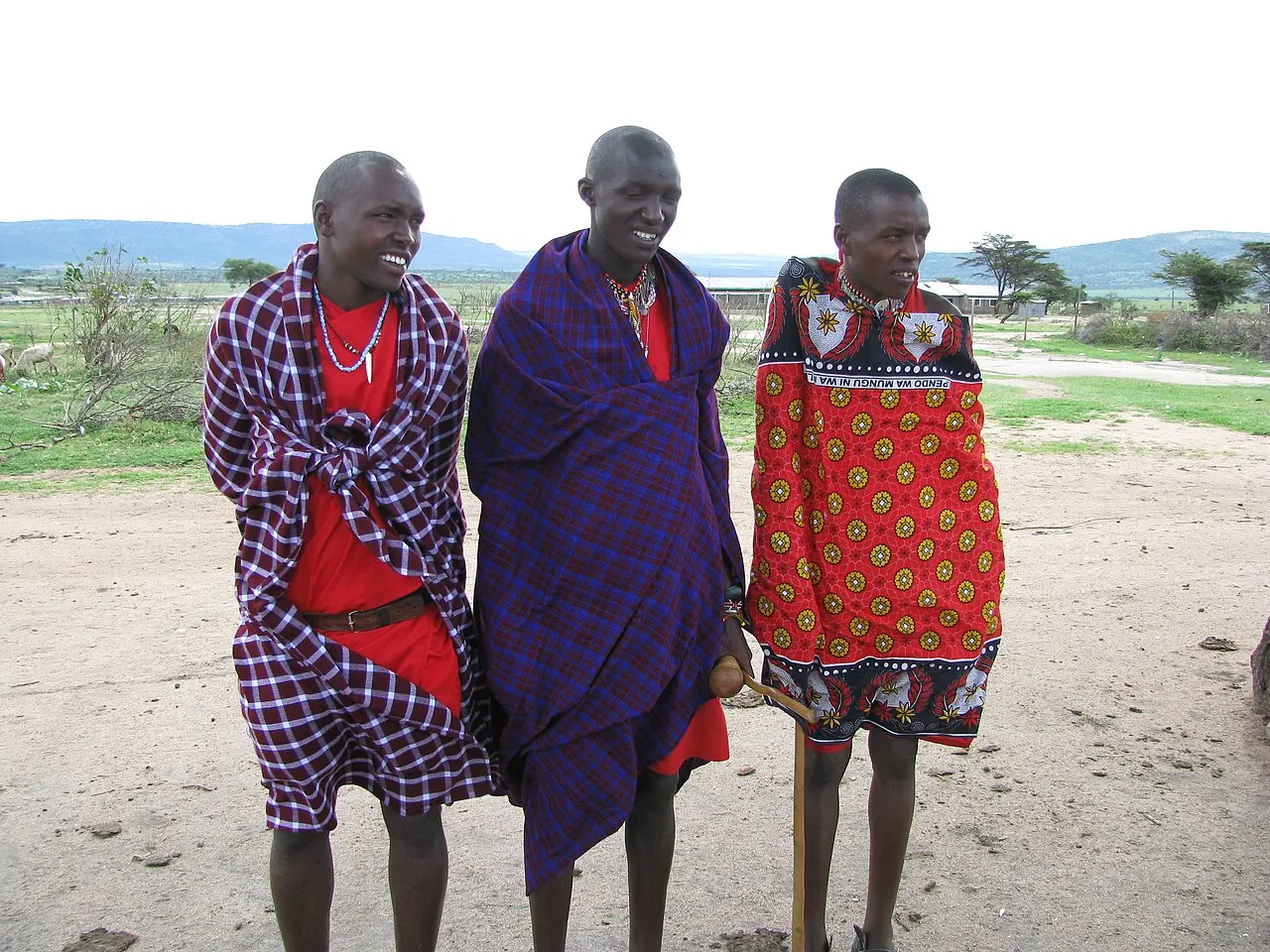
Photo: shankar s. / Wikimedia Commons, CC BY 2.0
What changed when the group ranches were subdivided?
Shared land became private plots. From the 1980s the group ranches around the Reserve were divided among registered members, mostly adult men; families began to fence, farm and sell, and the open range that herding and wildlife both depended on started to break up.45
Households were left out of allocations, and powerful people often got the best plots56. Herds shrank: by 2010 a third of Koiyaki households had too few animals to live purely from herding3. Fenced land in the Greater Mara grew from about 5% in 1985 to 19% in 20207. Researchers also note that carving conservancy core areas out of land herders used together is itself a kind of fragmentation from a pastoralist’s point of view8.
How do indigenous rights fit Mara conservation?
Kenyan law requires public participation in managing the environment and in county decisions, and conservation projects in the Mara now consult under free, prior and informed consent. Customary land rights carry equal weight with freehold under the Community Land Act.91011
- MMWCA consulted on the One Mara Carbon Project using Maa-language radio, barazas and meetings with elders, women and youth, with a grievance mechanism10.
- Narok’s conservancies bill defines community participation as decision-making through consultation and public barazas, with gender balance and youth on the Board12.
- Studies still find benefits favouring the politically connected, and decisions made by a few people1314.
We hold that conservancy rules must not hinder the indigenous way of living: herding, moving stock in drought, reaching water and salt licks, and holding ceremonies. Our stakeholder charter sets this out.
Do Maasai women benefit from Mara conservation?
Less than men. Lease money follows land titles, usually held by men; in 2010 only 3% of Koiyaki households had a woman conservancy member. Women’s seats on boards have grown since.315
By 2020, 50 women sat on landowner committees and boards in 12 of 14 Mara conservancies15; Oloisukut’s committee reserved a third of seats for women and a third for youth16. MMWCA reports 70 female rangers and targets inclusive leadership in 80% of established conservancies by 203617. Men and women near the Reserve also want different things from their livelihoods, and fair conservation has to hear both2.
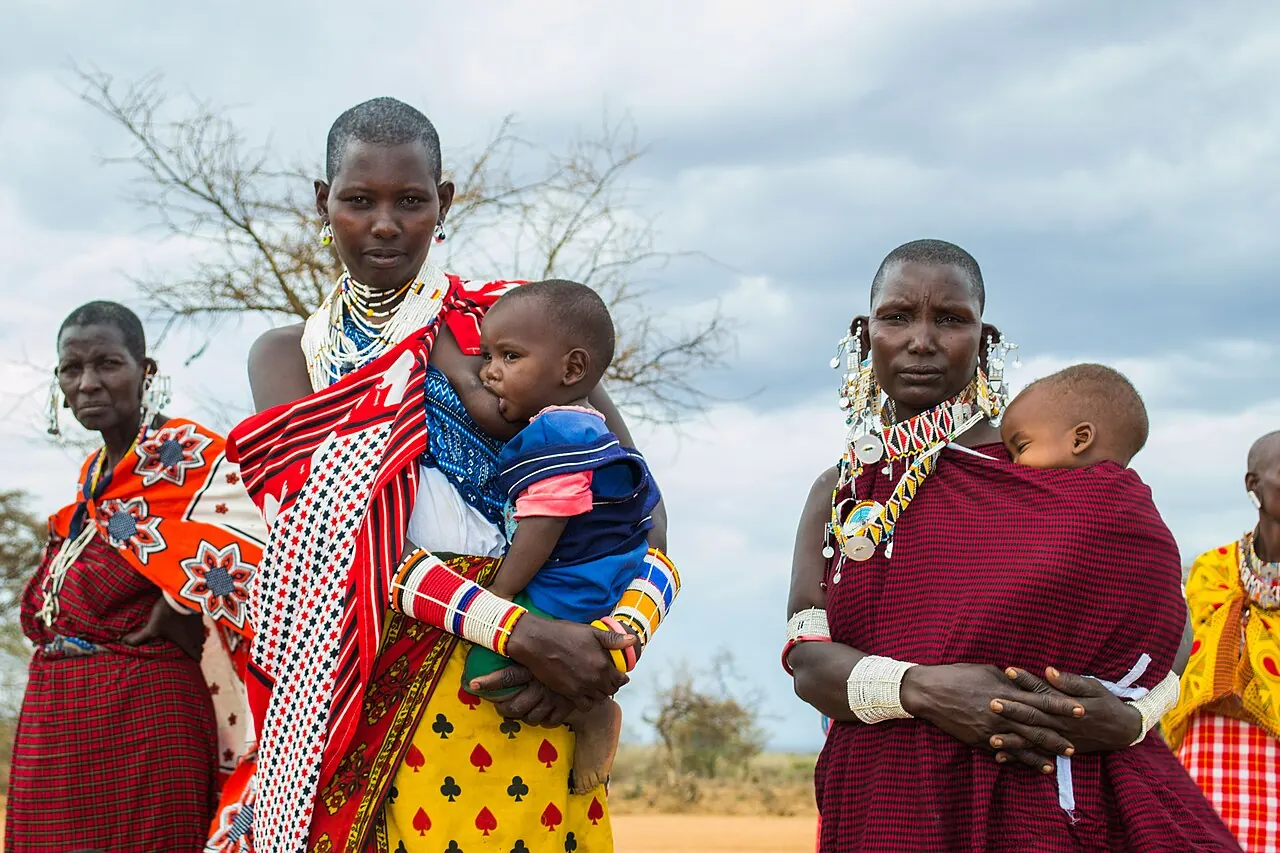
Photo: Jobmukuria / Wikimedia Commons, CC BY-SA 4.0

Can the Maasai way of life and Mara conservation both survive?
Yes, if conservation pays fairly, keeps livestock in the plan rather than out of it, and is decided with the people who live there.
- Cattle in the planPlanned grazing that improves the range, as at Enonkishu, where blocks scored 24% higher for vegetation18.
- Fair sharesLease decisions made by whole households, and benefits that reach the landless. See landowner rights.
- Open land that paysCorridor payments and fence removal that make keeping land open worth it. See corridors.
- Real participationRules made at barazas, in Maa, with everyone present.
Sources for this page
- The carbon market: a new opportunity for Maasai Mara conservancies · LGT Impact Fellowship · 2022-08-08
- Gender Differentiated Preferences for a Community-Based Conservation Initiative (Keane et al.) · PLOS ONE · 2016-03-29
- Trade-offs for climate-resilient pastoral livelihoods in wildlife conservancies in the Mara ecosystem, Kenya (Bedelian & Ogutu) · Pastoralism: Research, Policy and Practice · 2017-05-23
- Entrepreneurs, Elites, and Exclusion in Maasailand (Thompson & Homewood), Human Ecology 30(1) · Human Ecology (Springer) · 2002-03
- Conservation and ecotourism on privatised land in the Mara, Kenya (Bedelian; LDPI Working Paper 9) · Land Deal Politics Initiative (ISS) · 2012
- Conservation, tourism and pastoral livelihoods: Wildlife conservancies in the Maasai Mara, Kenya (PhD thesis, C. Bedelian) · University College London · 2014
- New land tenure fences are still cropping up in the Greater Mara (Løvschal et al., Sci Rep 12) · Scientific Reports (Nature) · 2022-07-06
- Drought frequency, conservancies, and pastoral household well-being · Ecology & Society · 2024-03-13
- Kenya Policy on Public Participation (April 2023) · Government of Kenya (Office of the Attorney-General) · 2023-04
- MMWCA End-of-Year Newsletter 2025 · MMWCA · 2025-12-22
- Community Land Act, 2016 (No. 27 of 2016) · Kenya Law · 2016 (rev. 2022)
- Summary of the Narok County Wildlife Conservancies Bill, 2026 · Publisher not stated on document (Narok County bill summary) · 2026
- Livelihood impacts and governance processes of community-based wildlife conservation in Maasai Mara ecosystem, Kenya (Oduor) · Journal of Environmental Management · 2020-04-15
- Impact of COVID19 on Landowners of Mara Conservancies (survey report) · Basecamp Foundation Kenya (prepared by STTA) · 2020-08
- Maasai Mara Wildlife Conservancies Association (Equator Prize profile) · Equator Initiative (UNDP) · 2020-04-24
- An Analysis of Non-State Protected Area Governance in Kenya · IUCN PAPACO · c. 2017
- MMWCA Strategic Plan 2026-2036 (summary) · MMWCA · 2026-03
- Bridging the conservation and development trade-off? A working landscape critique of a conservancy in the Maasai Mara (Tyrrell et al.) · Ecological Solutions and Evidence (BES) · 2024-07
Sources checked 22 November 2026.
Bring it to a baraza
Landowners, leaseholders, residents, camps and conservancy managers: a baraza is where questions about leases, grazing, corridors and wildlife get answered in the open, in Maa, Kiswahili or English. Ask us to help organise one in your village.